It’s late. The clock reads 2:47 AM, and you’re four episodes deep into Crash Landing on You. Your eyes are tired, but you can’t stop watching.
Then it happens.
Captain Ri Jeong-hyeok stands in his modest North Korean kitchen, steam rising from a battered aluminum pot. He cracks an egg into bubbling broth with the quiet confidence of a man who has done this a thousand times before. Yoon Se-ri watches from the doorway, her designer clothes impossibly out of place in this world of concrete walls and dim lighting.
“Ramyeon?” he asks, without turning around.
She doesn’t answer with words. She doesn’t need to.
In that single scene—Episode 4, for those keeping track—millions of viewers around the world felt something stir in their stomachs. Not just hunger, though there was certainly that. Something deeper. A longing for warmth, for connection, for the simple act of sharing a meal with someone who sees you.
This is the power of Korean ramyeon. And today, we’re bringing that moment into your kitchen.
The Scene That Changed Everything
Before we talk about noodles and eggs, we need to talk about what made this scene unforgettable.
The year was 2019. Crash Landing on You was dominating Netflix charts across Asia, and the ramyeon scene had become the subject of countless memes, YouTube compilations, and late-night cravings. But why this scene? K-Dramas are filled with beautiful food moments. What made this one different?
The answer lies in Korean culture itself.
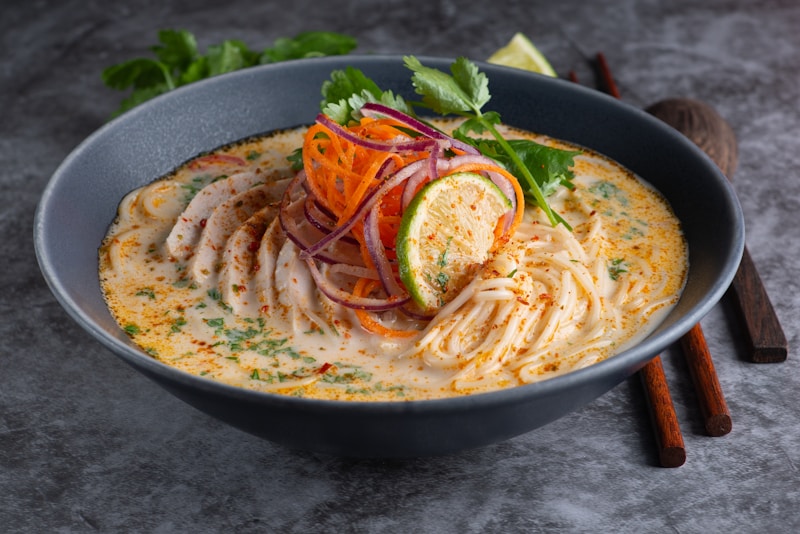
In South Korea, the phrase “라면 먹고 갈래?” (ramyeon meokgo gallae?) carries weight far beyond its literal translation. “Do you want to come in for ramyeon?” is the Korean equivalent of “Would you like to come up for coffee?”—an invitation loaded with unspoken possibility.
When Captain Ri offered Se-ri ramyeon, he wasn’t just offering food. He was offering trust. Vulnerability. A moment of normalcy in an impossible situation.
And when she accepted, she was accepting all of it.
Understanding Ramyeon: More Than Just Instant Noodles
To the uninitiated, ramyeon might seem like mere convenience food—something you eat when you’re too tired to cook properly. In Korea, it’s something else entirely.
Ramyeon occupies a unique space in Korean culinary culture. It’s the great equalizer: eaten by students in cramped dormitories and CEOs in penthouse apartments alike. It’s the food of memories—of late nights studying for exams, of rainy afternoons with friends, of first apartments and first loves.
The ritual of cooking ramyeon is as important as the eating. The careful measurement of water (always slightly less than the package suggests). The precise timing of the egg drop. The way you eat directly from the pot, burning your tongue because you couldn’t wait.
These aren’t just cooking techniques. They’re cultural inheritances, passed down through generations of hungry Koreans at midnight.
| Cultural Aspect | What It Represents |
|---|---|
| Late-night cooking | The quiet intimacy of shared exhaustion |
| Eating from the pot | Informality, closeness, trust |
| The cracked egg | Personal touch, care, “I made this for you” |
| Shared chopsticks | Boundary-crossing intimacy |
The Recipe: Captain Ri’s Ramyeon
Now, let’s cook.
This recipe stays true to the scene—simple, unpretentious, and deeply satisfying. No fancy additions, no Instagram-worthy toppings. Just ramyeon the way Captain Ri would have made it.
Ingredients
Essential
- 1 pack of Korean ramyeon (Shin Ramyun or Jin Ramen)
- 550ml water (slightly more than 2 cups)
- 1 fresh egg, at room temperature
- 2 stalks of green onion, roughly chopped
Optional Upgrades
- 1 slice of American cheese (a modern Korean favorite)
- 2 tablespoons of aged kimchi
- A handful of enoki mushrooms
Equipment
- A small pot or traditional Korean ttukbaegi (earthenware pot)
- A lid that fits
- Chopsticks
- A trivet or heat-safe mat
Step-by-Step Instructions
Step 1: The Water
Fill your pot with 550ml of cold water and place it over high heat. While waiting for it to boil, take the ramyeon pack and gently break the noodle block into quarters. This helps them cook more evenly.
Captain Ri’s Note: In North Korea, resources are scarce. Every drop of water matters. Don’t use more than you need.
Step 2: The Foundation
Once the water reaches a rolling boil—you’ll see aggressive bubbles breaking the surface—add the soup powder and dried vegetable flakes. Stir once to dissolve the powder completely.
Watch the color change. That deep, rust-red hue is the promise of warmth to come.
Step 3: The Noodles
Slide the noodle pieces into the broth. Don’t stir immediately. Let them sit for about 30 seconds, softening in the hot liquid, before gently loosening them with chopsticks.
Set a timer for 3 minutes. This is important.
Step 4: The Egg (The Most Important Step)
At the 2-minute mark, reduce the heat to medium. Create a small well in the center of the noodles by pushing them aside with your chopsticks.
Crack the egg directly into this well.
Do not stir.
Place the lid on the pot and let the egg poach in the residual heat for exactly 60 seconds. The white should set while the yolk remains gloriously runny—a golden treasure waiting to be broken.
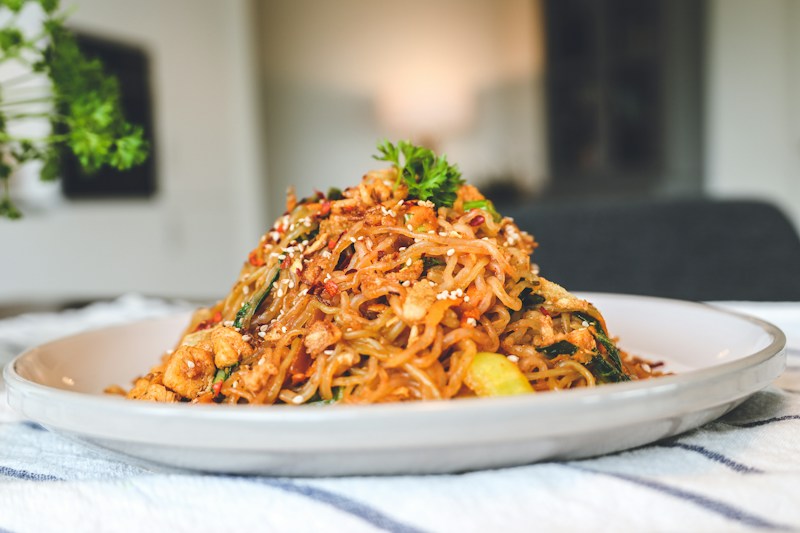
Step 5: The Finish
Remove the pot from heat. Scatter the chopped green onions over the top. If using cheese, lay the slice over the noodles now—the residual heat will melt it into creamy ribbons.
Do not transfer to a bowl.
Place the pot on a trivet, grab your chopsticks, and eat directly from the pot. This is the way.
The Art of Eating Ramyeon
In Korea, how you eat ramyeon matters almost as much as how you cook it.
Eat it hot. Ramyeon waits for no one. The noodles will continue cooking in the hot broth, so start eating immediately. The first bite should be almost too hot—that slight burn on your tongue is part of the experience.
Slurp loudly. Unlike Western dining etiquette, slurping noodles in Korea is not just acceptable—it’s expected. The sound indicates enjoyment. It also helps cool the noodles as you eat them.
Break the yolk deliberately. Wait until you’re a few bites in, then pierce the egg yolk with your chopsticks. Watch as it bleeds golden into the red broth, enriching every remaining bite.
Drink the broth. Don’t leave it behind. Lift the pot to your lips and drink directly. The broth, now cooled to a perfect temperature and enriched with egg, is the final reward.
Pro Tips from Korean Home Cooks
The 30-Second Rule
Remove your ramyeon from heat 30 seconds before the package instructions suggest. Korean noodles should be al dente—slightly chewy, with a bite. Overcooked ramyeon is a culinary tragedy.
The Water Ratio Secret
Most packages suggest 500ml of water. Use 550ml instead. The extra liquid accounts for evaporation and gives you more of that precious broth to drink at the end.
The Cold Egg Trick
Some Korean home cooks crack the egg into a small bowl first, then slide it into the broth. This prevents shell fragments and gives you more control over placement.
The Lid Technique
For a perfectly set egg white with a runny yolk, the lid is essential. It creates a mini steam environment that cooks the top of the egg without overcooking the bottom.
Why This Recipe Matters
We live in an age of elaborate food content. Every meal is photographed, filtered, and posted. Ingredients are sourced from specialty stores. Techniques are borrowed from Michelin-starred restaurants.
And yet, the most-searched Korean recipe after Crash Landing on You aired was instant ramyeon.
There’s a lesson here.
Food doesn’t need to be complicated to be meaningful. Sometimes the most profound meals are the simplest ones—a pot of noodles shared with someone you’re just beginning to understand, steam rising between you like unspoken words.
Captain Ri didn’t win Se-ri’s heart with elaborate cuisine. He won it with presence. With care. With a simple question asked at the right moment.
Ramyeon meokgo gallae?
FAQ
Q1. What brand of ramyeon was used in Crash Landing on You?
The show never explicitly identifies the brand, but the red packaging and noodle style suggest either Shin Ramyun or Jin Ramen—both iconic Korean brands. Shin Ramyun is spicier; Jin Ramen is milder and slightly sweeter.
Q2. Can I make this recipe vegetarian?
Absolutely. Samyang Vegetable Ramyeon offers a flavorful vegetarian broth. For the egg, you can use a plant-based alternative or simply add extra vegetables—spinach, mushrooms, and tofu work beautifully.
Q3. Why do Koreans eat ramyeon directly from the pot?
Practicality meets intimacy. The pot keeps the noodles hot until the last bite, and eating from a shared vessel creates closeness. It also means fewer dishes to wash—a practical concern in small Korean apartments.
Q4. What does “ramyeon meokgo gallae” really mean?
Literally: “Do you want to eat ramyeon and go?” But culturally, it’s an invitation to intimacy—similar to “Would you like to come up for coffee?” in Western contexts. It appears frequently in K-Dramas as a romantic turning point.
Q5. How do I adjust the spice level?
For less heat, use only half the soup powder, or choose Jin Ramen (mild) over Shin Ramyun. For more heat, add a teaspoon of gochugaru (Korean red pepper flakes) or a splash of the spicy oil from a jar of kimchi.
Q6. Can I add other toppings?
Of course—though purists might disagree. Popular additions include: sliced cheese (melts beautifully), kimchi (adds fermented depth), fish cakes (odeng), and spam (a Korean comfort food staple).
Q7. Why is my egg always overcooked?
Two common mistakes: stirring the egg after adding it, or leaving the pot on high heat. Reduce to medium heat before adding the egg, don’t stir, and use a lid to cook the top gently with steam rather than direct heat.
The Last Word
It’s now 3:15 AM. Your pot is empty, the broth drunk down to the last drop. The credits roll on another episode of Crash Landing on You, but your mind is elsewhere.
You’re thinking about the person you’d like to cook ramyeon for. Or maybe you’re thinking about eating it alone—which is its own kind of perfect, really. Ramyeon doesn’t require company to be meaningful.
Tomorrow, you might try a more elaborate recipe. Something with fresh pasta and truffle oil. Something that photographs well.
But tonight, you made ramyeon. And that was exactly enough.
This recipe is part of our K-Drama Kitchen series, where we recreate iconic dishes from Korean television. No dramas were harmed in the making of this content—though several were binged.