

The power is out again.
It’s 1988 in Ssangmun-dong, and the whole neighborhood has gone dark. Deok-sun fumbles through the kitchen by candlelight, her stomach growling. Mom went to the hospital with grandma. Dad is still at work. Her brothers are useless as always.
She finds what she needs: a bowl of leftover rice from the cooker, still faintly warm. An egg from the refrigerator. A bottle of soy sauce. A small jar of sesame oil.
In the darkness of that cramped kitchen, lit only by a single flickering candle, eighteen-year-old Deok-sun does what Koreans have done for generations when the world feels too complicated:
She makes gyeran-bap.
The Soul of Korean Comfort Food
Reply 1988 (응답하라 1988, 2015) isn’t just a drama about five families living in the same alley. It’s a love letter to an era, a neighborhood, and the small moments that become precious memories. And no moment captured that nostalgia quite like the scenes of characters eating gyeran-bap—egg rice.
This isn’t fancy cooking. There’s no technique to master, no rare ingredients to source. Gyeran-bap is what you eat when you’re too tired to cook, too broke for delivery, too lonely for anything elaborate.
And somehow, that’s exactly what makes it perfect.
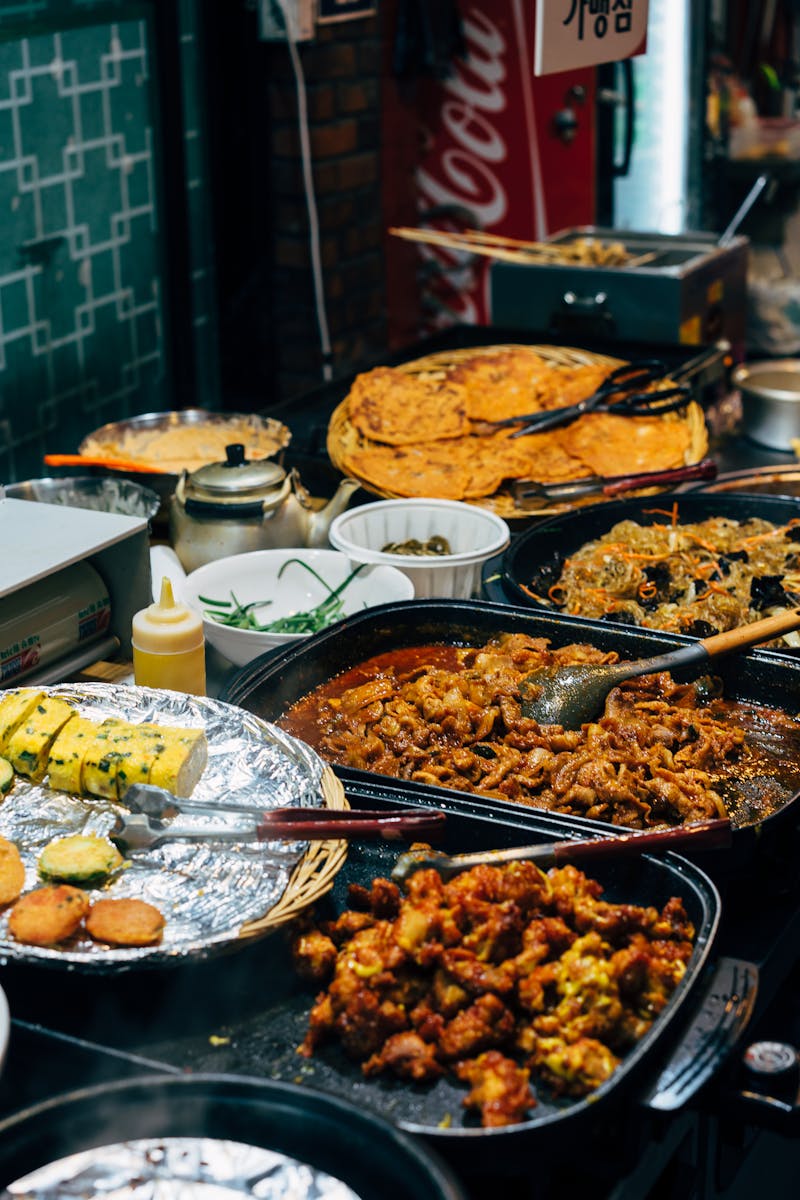 Simple rice, simple toppings—sometimes that’s all you need
Understanding Gyeran-bap: Less Is More
The name couldn’t be simpler. Gyeran (계란) means egg. Bap (밥) means rice. Egg rice. That’s it.
But within this simplicity lies profound Korean food philosophy: the belief that the best meals aren’t always the most complex. Sometimes perfection is a warm bowl, a runny yolk, and a moment of peace.
The Three Pillars of Gyeran-bap
| Element | Purpose | The Magic |
|---|---|---|
| Hot Rice | Foundation | Must be freshly cooked or properly reheated—cold rice won’t melt the butter or warm the egg |
| Raw Egg | Richness | Beaten into the hot rice, creating a silky coating that transforms plain grains |
| Soy Sauce + Sesame Oil | Flavor | The salty-nutty combination that makes everything taste like home |
Some families add butter. Some add a sprinkle of gim (seaweed). Some crack the egg directly onto the rice without beating. Every household has their way.
There is no wrong way. There is only your way.
The Recipe: Deok-sun’s Midnight Gyeran-bap
Ingredients
Essential (The Holy Trinity)
- 1 bowl hot cooked rice (about 1 cup)
- 1 egg, at room temperature
- 1 tablespoon soy sauce
- 1 teaspoon sesame oil
Optional Additions
- 1 tablespoon butter (for richness)
- Roasted seaweed (gim), crumbled
- Sesame seeds
- Green onion, finely sliced
- A drop of deulgireum (perilla oil) instead of sesame oil
Equipment
- One bowl (preferably the one you’ll eat from)
- Chopsticks or a spoon
- That’s literally it
Step-by-Step Instructions
Step 1: Start with Hot Rice
This is non-negotiable. The rice must be hot—not warm, not room temperature, but properly hot. Hot enough that when you add the egg, the residual heat will gently cook it into a silky coating.
If using leftover rice, microwave it with a splash of water until steaming. Fresh from the rice cooker is ideal.
Deok-sun’s Note: In 1988, we didn’t have microwaves. We’d put the cold rice in a pot with a little water, cover it, and steam it back to life. The slightly crispy bits at the bottom were everyone’s favorite.
Step 2: Create a Well
Transfer the hot rice to your bowl. Use your spoon to create a small well or crater in the center. This is where the egg will go.
Step 3: Add the Egg
Crack the egg directly into the well. For traditional gyeran-bap, you don’t beat it first—you let the hot rice do the work.
If you prefer, you can beat the egg in a separate bowl first and pour it over. This creates a more uniform coating. Neither way is wrong.
Step 4: Add Your Seasonings
Drizzle the soy sauce around the edges of the bowl. Add the sesame oil on top of the egg. If using butter, add it now while everything is hot.
Step 5: Mix Everything Together
Here’s where the magic happens. Using your chopsticks or spoon, vigorously mix everything together. The hot rice will partially cook the egg, creating strands of golden silk throughout. The soy sauce and sesame oil will distribute evenly, coating every grain.
Mix for about 30 seconds. You want the egg fully incorporated but not completely cooked—there should still be a slight glossiness to the rice.
Step 6: Add Toppings (Optional)
Crumble some roasted seaweed on top. Sprinkle sesame seeds. Add a few slices of green onion if you’re feeling fancy.
Or add nothing at all. Sometimes the purest version is the best version.
Step 7: Eat Immediately
Gyeran-bap waits for no one. The moment it’s mixed, it begins to cool, and cool gyeran-bap loses its charm. Eat it standing at the kitchen counter if you have to. Eat it straight from the rice cooker pot. Just eat it now.
Pro Tips from Korean Grandmothers
The Temperature Truth
Everything depends on temperature. Cold rice won’t cook the egg properly, leaving you with slimy raw egg coating your grains. Too-hot rice will scramble the egg into dry bits. The sweet spot is rice that’s just come off the “keep warm” setting—hot but not scalding.
The Soy Sauce Ratio
Start with less soy sauce than you think you need. You can always add more, but you can’t take it back. One tablespoon per cup of rice is a guideline, not a rule. Taste as you mix.
The Butter Debate
Adding butter is a more modern variation, influenced by Japanese tamago kake gohan. Traditional Korean gyeran-bap uses only sesame oil. Both are valid. Many Koreans now use both—the butter for richness, the sesame oil for that distinctly Korean nutty fragrance.
The Egg Quality Matters
When eating eggs partially raw, quality matters. Use the freshest eggs you can find. In Korea, many people specifically buy eggs labeled for raw consumption (saengshik-yong). If you’re concerned, use pasteurized eggs.
FAQ
Is gyeran-bap safe to eat with raw egg?
The egg isn’t fully raw—the hot rice partially cooks it. However, there is some risk with any undercooked egg. Use fresh, high-quality eggs and ensure your rice is properly hot. Those with compromised immune systems, pregnant women, or young children should consider using pasteurized eggs.
Can I make gyeran-bap with brown rice?
Yes, though the texture will be different. Brown rice is chewier and absorbs the egg less smoothly. It works, but the classic experience uses white short-grain rice—the sticky kind that clumps together.
Why does my gyeran-bap taste bland?
You probably need more soy sauce and sesame oil. These are the only flavoring agents, so don’t be shy. Also ensure your sesame oil is fresh—it goes rancid quickly and loses its fragrance.
Is this the same as Japanese tamago kake gohan?
Similar concept, different execution. Japanese TKG typically uses a raw egg beaten with soy sauce, poured over rice, and often includes special soy sauce blends. Korean gyeran-bap is more rustic—crack, pour, mix, eat. The sesame oil also gives it a distinctly Korean flavor profile.
What if I don’t like runny eggs?
You can cook the egg more by using extremely hot rice and mixing longer. Or fry an egg separately and place it on top of the rice (gyeran-bap becomes gyeran-deopbap). Some people microwave the mixed rice for 20-30 seconds to cook the egg more thoroughly.
Can I add meat or vegetables to gyeran-bap?
You can, but then it becomes a different dish—more of a rice bowl than gyeran-bap. The beauty of gyeran-bap is its simplicity. If you want to add things, try just seaweed and sesame seeds first.
How many calories are in gyeran-bap?
Approximately 350-400 calories for a standard serving with one egg, depending on your rice portion and how much sesame oil and butter you use. It’s a complete meal nutritionally—carbs, protein, and fat all in one bowl.
The Last Word
The power comes back on at 11:47 PM.
Deok-sun has already finished her gyeran-bap, eaten in the dark by candlelight, alone in the kitchen. She scraped the bowl clean, not because she was still hungry, but because wasting food was unthinkable in 1988. In any year, really.
She washes the bowl. A single bowl, a single spoon. The kitchen looks exactly as it did before—no evidence of a meal except the missing egg and the slightly lower level of rice in the cooker.
This is the thing about gyeran-bap: it asks for nothing and leaves nothing behind. No prep, no cleanup, no leftovers, no fuss. Just a moment of warmth in a cold kitchen, a moment of fullness in an empty house.
Years later, when Deok-sun has her own kitchen in her own home, she’ll make gyeran-bap again. Not because she’s broke or tired or alone—she won’t be any of those things—but because some flavors carry memories, and some memories deserve to be tasted again.
Her children will ask why she’s eating “just egg and rice.” She’ll tell them about Ssangmun-dong, about power outages, about being eighteen and hungry and figuring out life one bowl at a time.
They won’t fully understand. They weren’t there.
But they’ll ask her to make it for them anyway. Because comfort food doesn’t need context to provide comfort. It just needs to exist. It just needs to be warm. It just needs to be shared.
That’s the magic of gyeran-bap. That’s the magic of 1988. That’s the magic of a simple egg cracked over hot rice, eaten in the dark, remembered in the light.
For more K-Drama comfort classics, try our Crash Landing on You Ramyeon for late-night noodle therapy, or The K2 Budae Jjigae when you need something heartier.